|
 THE VOLT // BUILD THE WEEK Issue 003 • 10 Aug 2026 • 5-minute read |
On the Rack Today | 01 | Five checks that observe your movement without pretending to diagnose it. | | 02 | A food rule that keeps macros useful and meals human. | | 03 | A bench-and-dip session that puts the goal first. |
|
 |
01 / The Lead Lift |
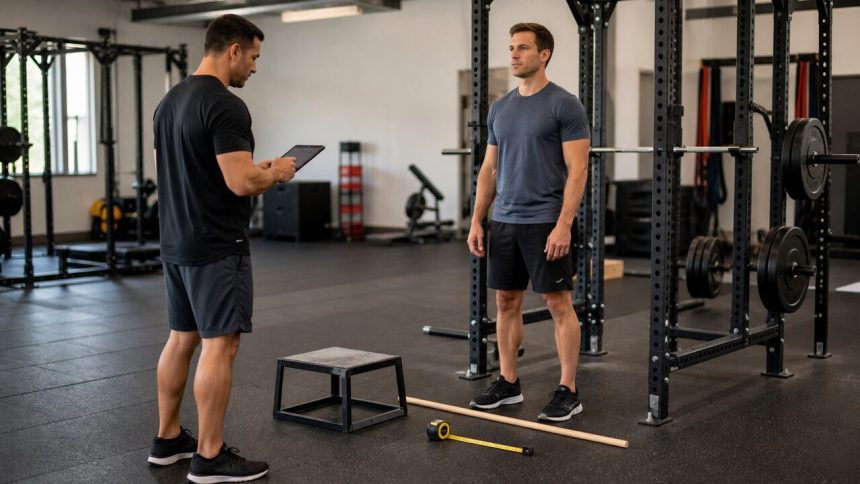
Your warm-up is a camera, not a crystal ballA movement screen can show what your squat, hinge, overhead reach, ankle range, and single-leg control look like today. It cannot tell you which tissue is “tight,” predict your next injury, or hand down a sentence on your body. That is good news. You do not need a detective board with red string before Monday’s first working set. You need a repeatable baseline. Run five pain-free checks: five bodyweight squats, five dowel hinges, three wall shoulder reaches, three knee-to-wall trials per ankle, and three supported single-leg squats per side. Film the first two. Record what happened in plain language: “right heel lifted on reps four and five” beats “my ankle is broken.” Then change one variable for two weeks. Adjust the stance, shorten the range, add wall-tap hinge practice, or use hand support. Retest under the same conditions after two to four weeks and keep the change only if the screen or the lift improves. The evidence-backed caveat matters: Functional Movement Screen scores have not supported individual injury prediction, and even a reliable test can measure something other than the cause you assume. Pain, catching, instability, new weakness, or neurological symptoms change the job—stop the self-screen and seek qualified assessment. |
 |
02 / Fuel Check |
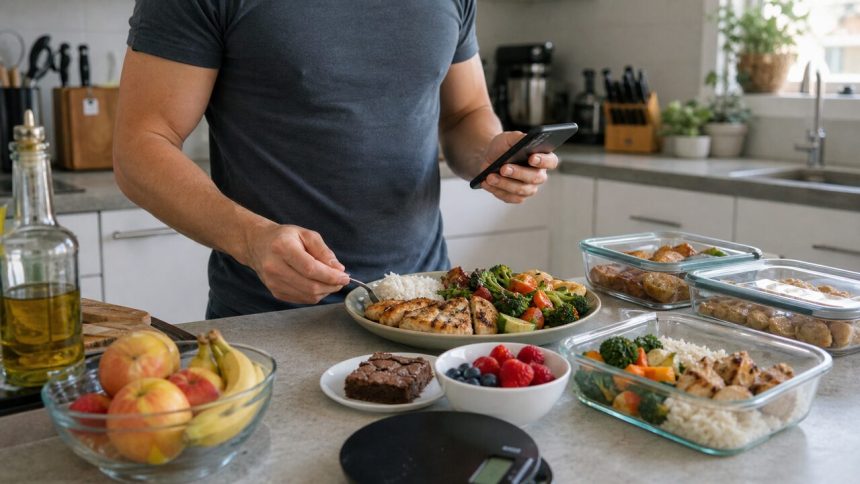
Hit the anchors. Leave room for dinner.What: Use the smallest amount of tracking that keeps your goal moving: calories when weight change needs precision, enough protein, produce and fiber, plus room for ordinary food. Why: In a small trial of resistance-trained adults, flexible and rigid dieting produced similar weight and fat loss during a 10-week deficit. A separate 20-person inpatient trial found people ate about 500 more calories per day on an ultra-processed menu, even when the offered menus were matched on several nutrients. Flexibility works better with food quality still on the team. Try: Build three repeatable meals around a protein source, fruit or vegetables, and a satisfying carbohydrate. Keep one slot flexible for a restaurant meal, dessert, or convenience food—no “cheat,” no punishment cardio. Limitation: Tracking can become compulsive, and rigid food rules can do the same. Step back and seek individualized help when numbers or “clean” labels create distress. Use the flexible-structure guide |
 |
03 / Coach's Card |
The goal-first push sessionGoal: Build pressing strength and chest volume // Level: Intermediate as written Time: 30 to 35 minutes after a general upper-body warm-up // Equipment: Barbell bench station with safeties or a spotter, plus stable dip bars or an assistance machine Goal-first push workout| Movement | Work |
|---|
| Barbell bench press | 3 x 5-8, 2 RIR |
|---|
| Assisted, bodyweight, or weighted dip | 3 x 8-12, 1-2 RIR |
|---|
| Chest-supported row | 3 x 8-12 |
|---|
Rest two minutes after bench sets, 90 seconds after dips, and 60 to 90 seconds after rows. Put dips first and bench second only when dip strength is the priority. Regress: Use a chest-press machine and assisted dips, or replace painful dips with push-ups. Progress: Reach the top of every rep range with the same clean range, then add the smallest load. Safety: Bench with safeties or a trained spotter. Stop dips before shoulder pain, a bounce, or loss of control. Choose the press that fits your goal |
 |
04 / The Strength Bulletin |
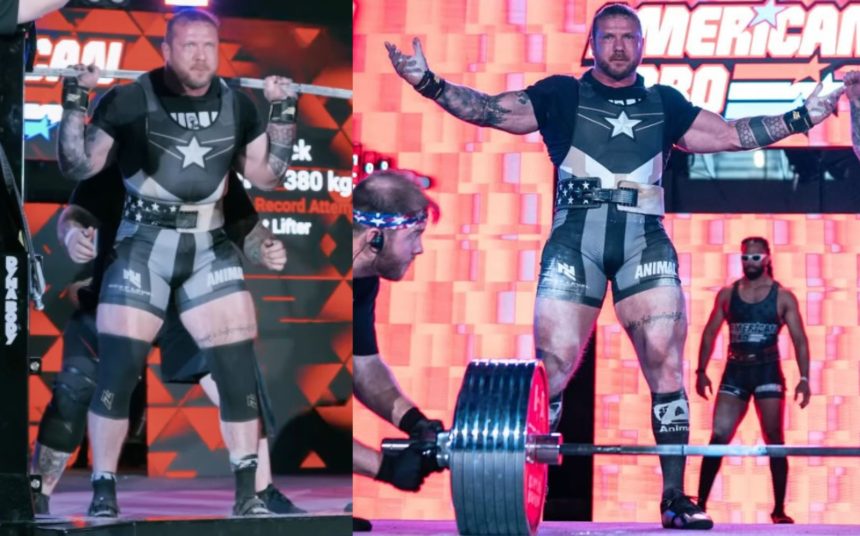
John Haack banked the record before the last pullWhat happened: John Haack totaled 1,044 kilograms (2,301.6 pounds) in the under-100-kilogram class at the August 7–8 PLU American Pro. His 380-kilogram squat, 265-kilogram bench, and 399-kilogram deadlift edged his previous raw total record by half a kilogram. Why it matters: Haack passed his third squat and still had the record secured before attempting a 420-kilogram final deadlift. The useful meet-day lesson is simple: bank the total, then take the ambitious swing. Watch next: The 420-kilogram pull came close but did not lock out, leaving an obvious next number without weakening the record he already earned. See Haack’s full attempt breakdown |
05 / One More Rep |
 Frank Zane’s short-workout rule: Start with multi-joint lifts when time is tight, then trim the menu instead of rushing every set. Read his four-movement shortlist. | 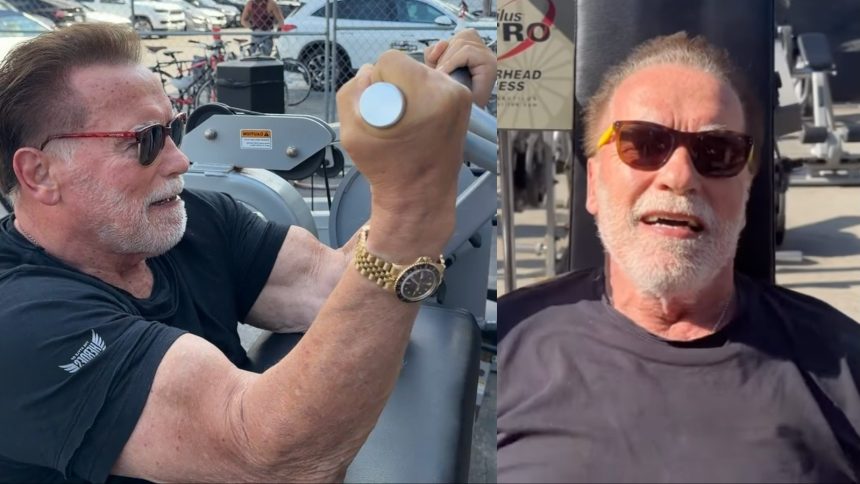 Protein is not a longevity villain by headline: The evidence Arnold discussed is mainly animal research; human protein needs still depend on activity, age, and goals. Read the careful version. |
|
06 / Locker Room Check What usually knocks your training week off course first?One answer click will submit immediately. We will use the percentages—not raw counts—to shape a later Build the Week issue. |
From FitnessVolt. Training and nutrition claims are linked to the reviewed FitnessVolt articles and their primary research. No individual reviewer is credited without recorded sign-off. |
THE VOLT is FitnessVolt's spotter for smarter training: useful plans, clear cues, and no wasted reps. You are receiving this because you subscribed to FitnessVolt updates. View online • Manage preferences • Unsubscribe |
|


 FitnessVolt Newsletter